

NoFakes · Verified review marketplace
Designing trust into reviews
NoFakes connected proof of purchase, customer reviews, discovery and rewards into one system. I worked on making that trust model understandable enough to participate in—and visible enough to matter.

The product problem
More reviews only help if people can trust where they came from
Online reviews influence purchasing decisions, but manipulated ratings and unauthenticated feedback make it difficult for customers to know whom to trust. Local businesses face the same problem when trying to build credibility.
NoFakes made proof of purchase part of the review journey. Instead of relying only on moderation after publication, the product established a connection between the reviewer and a real customer experience.
The system
Trust had to work as a loop, not as a badge
The interaction model connected five parts of the product. Each one depended on the previous step, and changing one affected the rest of the system.
Verification
Explain the evidence before asking people to provide it
Proof of purchase was the foundation of the model, but it also introduced the highest-friction step. The flow first clarifies what counts as a valid receipt, then moves into the upload itself.
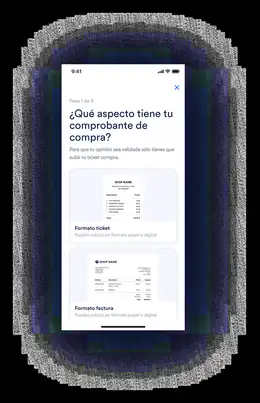

The sequence makes the requirement legible before the user commits effort: understand the proof, provide the proof, then continue.
Contribution
A verified transaction is not the same as a useful review
Verification answers whether someone was actually a customer. The review still needs to capture their judgement. I kept those responsibilities separate in the interaction: evidence establishes provenance; rating and commentary carry the opinion.


The incomplete and ready states stay explicit, so the interface communicates when a contribution can move forward without adding another explanation layer.
Visible trust
The verification work only matters if the next person can see it
The verified signal follows the contribution into the business page. A small marker carries the meaning of the upstream system: this opinion is connected to a purchase, not simply an account.

Incentives
Participation needed a reason to return without replacing the trust model
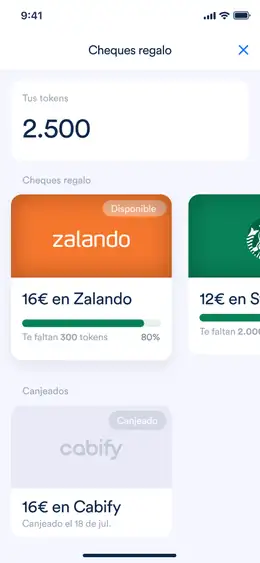
Customers earned rewards for sharing authentic experiences. The interface makes accumulated value, progress, availability and redemption history visible while keeping rewards downstream from the verified-review journey.
Business tools
Help businesses act on feedback
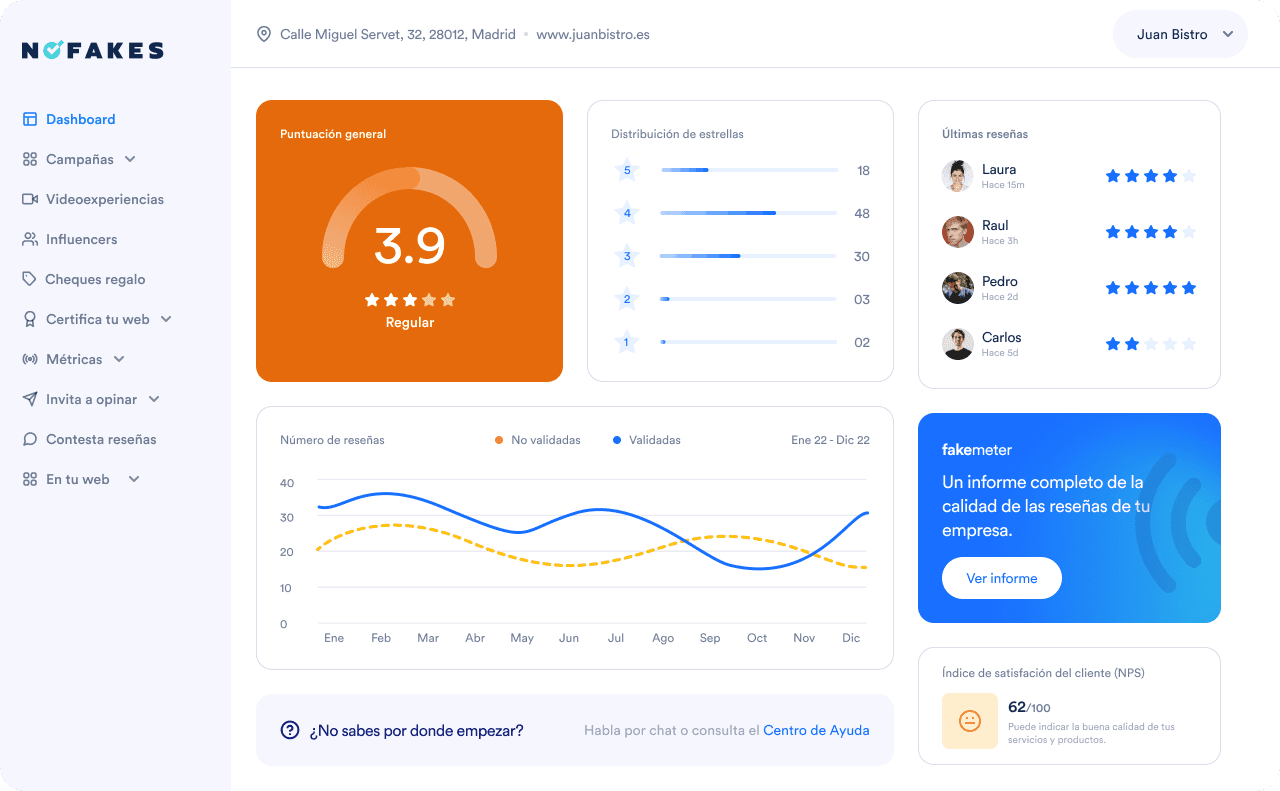
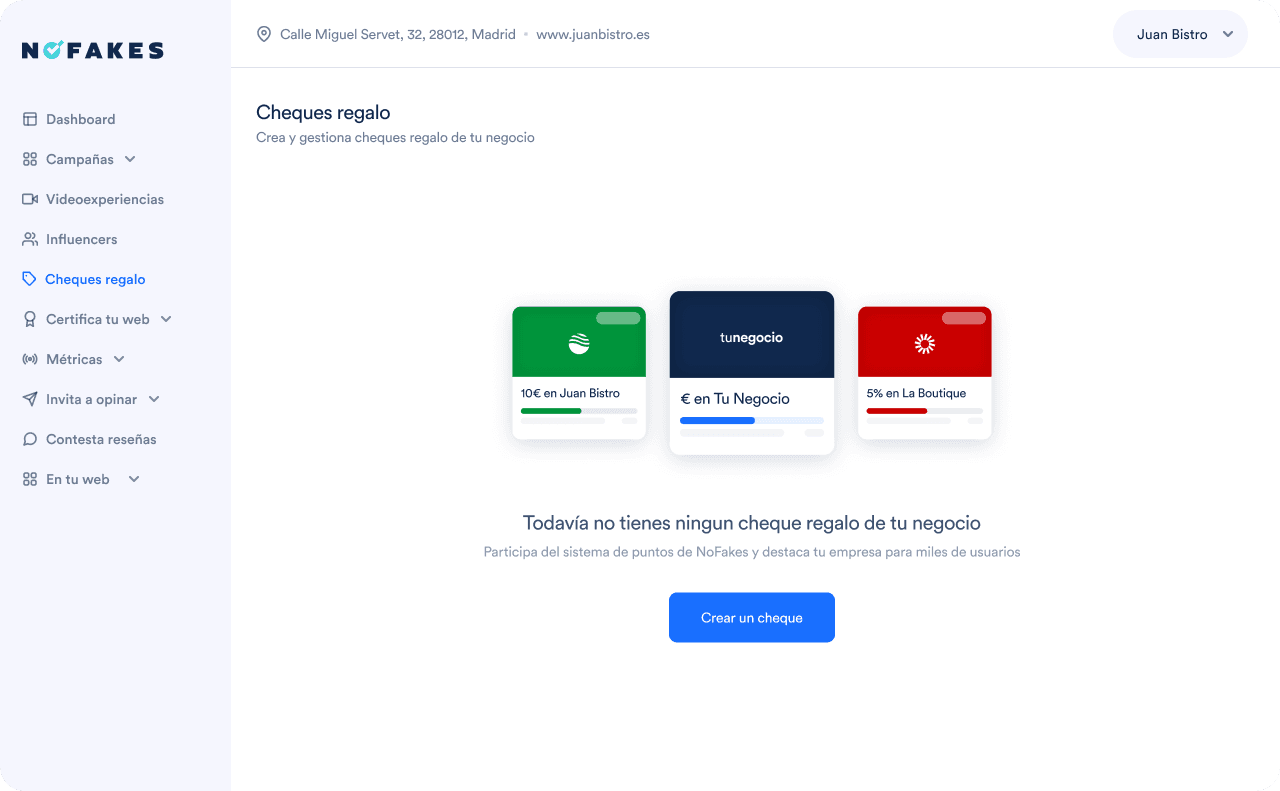
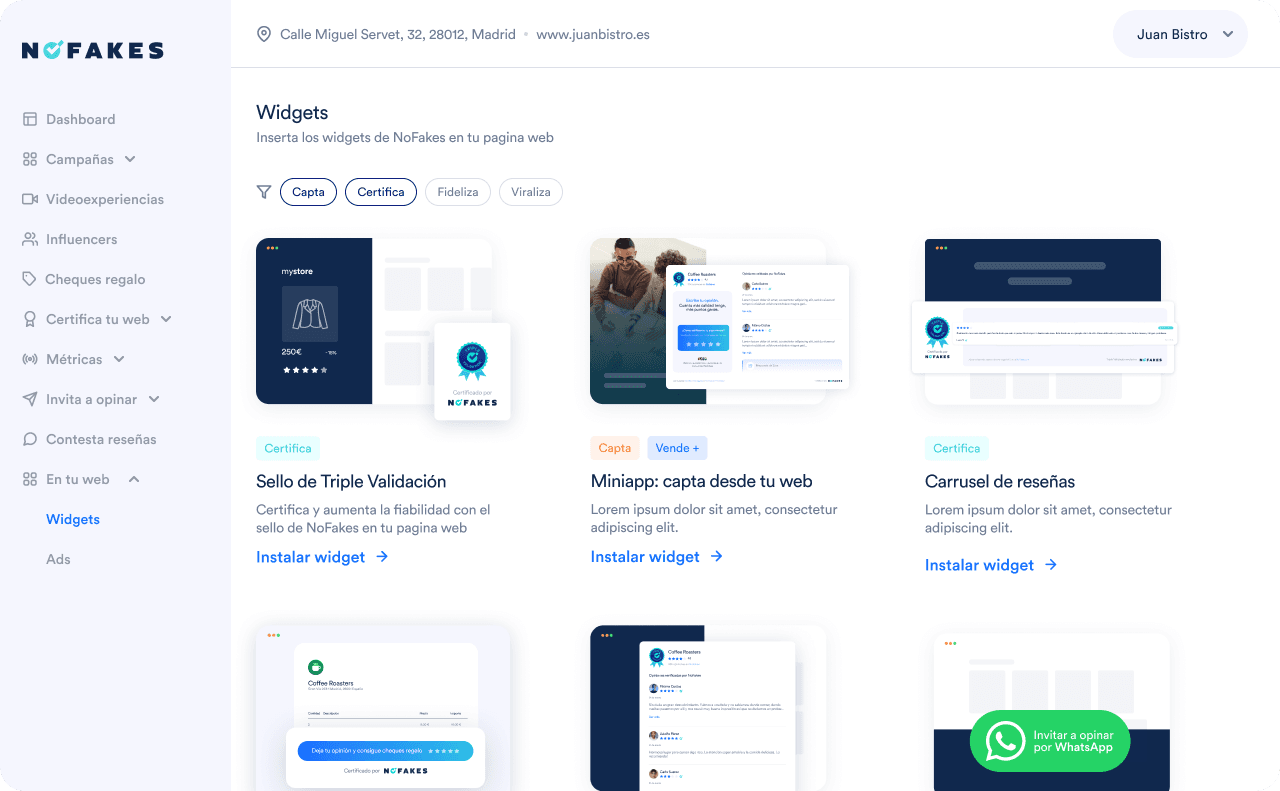
Collecting ratings was only one part of the business experience. Owners also needed to understand sentiment, respond to customers and communicate what their business offered.
We designed a central business hub for managing profile information, responding to reviews, tracking engagement and understanding customer experiences. The dashboard turned individual reviews into information a business could act on.
Outcome
The loop reached both sides of the marketplace
The published results report activity across customers, businesses, verified contributions and rewards—not just app usage.
What I learned
Trust is a system before it becomes a UI signal
The verification badge was the smallest part of the experience, but it only carried meaning because of everything underneath it: a purchase, evidence, a contribution and a consistent rule for participation.
NoFakes made the trade-off between credibility and participation tangible. Every extra verification step protected the system while increasing effort, and every incentive designed to increase contribution had to preserve the integrity of what it generated.